Temporary vs Permanent Dental Bridges in Fairhope, AL: What’s the Difference?
Learn the difference between temporary and permanent dental bridges in Fairhope, AL. Understand the process, benefits, and what to expect.
By swdentistrymarketing ·
Learn the difference between temporary and permanent dental bridges in Fairhope, AL. Understand the process, benefits, and what to expect.
Focus Keywords:
temporary vs permanent dental bridge, dental bridge stages, temporary dental bridge care, permanent bridge benefits
Temporary vs Permanent Dental Bridges in Fairhope, AL: What’s the Difference?
If you’re getting a dental bridge, you’ll likely hear your dentist mention both temporary and permanent bridges. While many patients focus on the final result, understanding the role of each stage can help you feel more comfortable and prepared throughout the process.
At Sweet Water Dentistry in Fairhope, AL, we guide patients through every step of their treatment—including what to expect while wearing a temporary bridge and how the permanent bridge improves your long-term results.
This guide will explain the key differences between temporary and permanent dental bridges, why both are important, and how to care for each.
What Is a Temporary Dental Bridge?
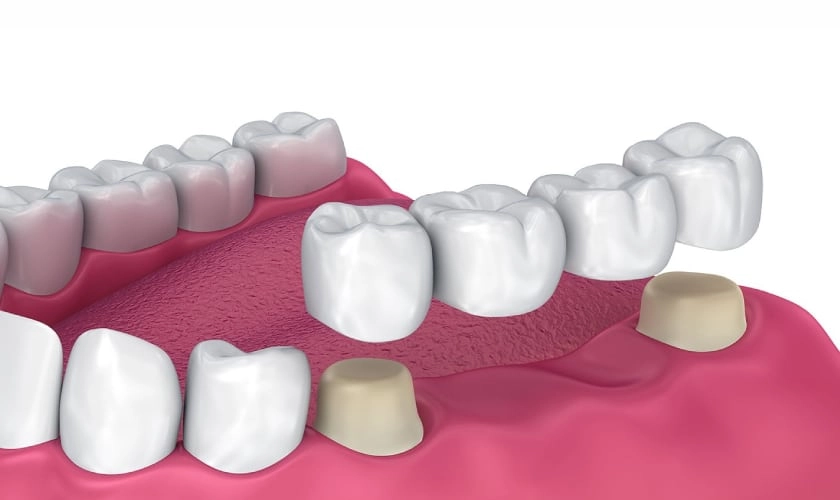
A temporary dental bridge is a short-term restoration placed after your teeth are prepared and while your permanent bridge is being custom-made.
Purpose of a temporary bridge:
Protect exposed teeth
Maintain appearance
Prevent shifting of teeth
Allow normal function
Temporary bridges are not designed for long-term use, but they play an important role in protecting your smile during the process.
What Is a Permanent Dental Bridge?
A permanent dental bridge is the final, custom-made restoration designed to replace missing teeth for the long term.
Features of a permanent bridge:
Strong and durable materials
Custom fit for comfort
Natural appearance
Long-lasting performance
Once placed, a permanent bridge restores full function and aesthetics.
Key Differences Between Temporary and Permanent Bridges
Feature
Temporary Bridge
Permanent Bridge
Duration
1–3 weeks
10–15+ years
Strength
Lower
High
Fit
Basic
Precise
Materials
Acrylic or composite
Porcelain, zirconia, or metal
Purpose
Short-term protection
Long-term restoration
Why Temporary Bridges Are Necessary
Some patients wonder why a temporary bridge is even needed.
Key reasons include:
Protecting sensitive teeth after preparation
Preventing gum irritation
Maintaining spacing and alignment
Allowing you to eat and speak normally
Without a temporary bridge, your teeth and gums would be more vulnerable.
What to Expect While Wearing a Temporary Bridge
Temporary bridges are functional but may feel slightly different from your final restoration.
Common experiences:
Slight sensitivity
Less precise fit
Mild discomfort when chewing
This is normal and temporary.
How Long Do You Wear a Temporary Bridge?
Most patients wear a temporary bridge for:
1 to 3 weeks
This allows time for your permanent bridge to be fabricated.
How to Care for a Temporary Dental Bridge
Because temporary bridges are more fragile, extra care is needed.
Do:
Eat soft foods
Brush gently
Keep the area clean
Avoid:
Sticky foods (gum, caramel)
Hard foods (ice, nuts)
Pulling floss upward (slide it out instead)
What Happens If a Temporary Bridge Comes Loose?
This can happen occasionally.
If it does:
Contact your dentist immediately
Avoid chewing on that side
Do not try to fix it yourself
The Transition to a Permanent Bridge
Once your permanent bridge is ready, you’ll return for placement.
During this visit:
The temporary bridge is removed
The permanent bridge is tested for fit
Adjustments are made
The bridge is permanently cemented
Benefits of a Permanent Dental Bridge
1. Long-Term Durability
Designed to withstand daily chewing forces for years.
2. Natural Appearance
Custom-crafted to match your natural teeth perfectly.
3. Improved Comfort
A precise fit ensures a more natural feel.
4. Full Functionality
Restores normal chewing and speaking ability.
How Long Do Permanent Bridges Last?
With proper care:
10 to 15 years or longer
Caring for a Permanent Dental Bridge
Daily care includes:
Brushing twice daily
Flossing under the bridge
Using a water flosser
Long-term care tips:
Avoid hard foods
Visit your dentist regularly
Address issues early
Common Questions About Temporary vs Permanent Bridges
Many patients are surprised by how different the two feel.
Temporary bridge:
Functional but basic
Short-term solution
Permanent bridge:
Strong and refined
Designed for long-term use
Why Patients in Fairhope Choose Sweet Water Dentistry
Patients in Fairhope, Daphne, and Mobile trust us because we provide:
High-quality custom restorations
Advanced dental technology
Comfortable, patient-focused care
Long-lasting results
FAQ – Temporary vs Permanent Dental Bridges
Is it normal for a temporary bridge to feel different?
Yes, temporary bridges are not as precise as permanent ones.
Can I eat normally with a temporary bridge?
Yes, but stick to soft foods and avoid sticky or hard items.
How long does it take to get a permanent bridge?
Usually 1–3 weeks.
Are permanent bridges stronger?
Yes, they are made from durable materials designed for long-term use.
What happens if my temporary bridge falls off?
Contact your dentist immediately for reattachment.
From Temporary to Permanent—A Smooth Transition
Temporary bridges are a short but important step toward restoring your smile. Once your permanent bridge is placed, you’ll enjoy improved comfort, strength, and confidence.
At Sweet Water Dentistry in Fairhope, AL, we make the entire process smooth, comfortable, and predictable—so you always know what to expect.
Missing teeth can affect much more than your smile. They can make it harder to chew, change the way your remaining teeth fit together, and make you feel less confident when you smile or speak. Fortunately,…
Every Dental Patient Has Questions They've Never Gotten Around to Asking If you've ever sat in a dental chair wondering whether you're doing something wrong…
Do you wake up with a sore jaw, a dull headache, or teeth that feel strangely sensitive? You might be grinding your teeth, and you may not even know it. Teeth grinding, clinically known as…