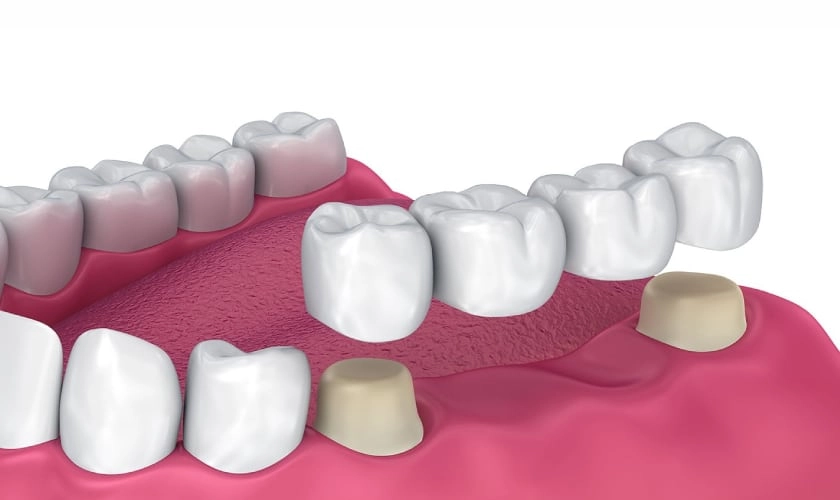
Dental bridges are a reliable and long-lasting solution for replacing missing teeth. They restore your ability to chew, improve your smile, and help maintain proper alignment. However, like any dental restoration, dental bridges can develop issues over time.
Understanding these problems—and knowing how to respond—can help you avoid more serious complications and extend the life of your bridge.
At Sweet Water Dentistry in Fairhope, AL, we help patients identify and resolve dental bridge problems quickly and effectively. Whether you’re experiencing discomfort, looseness, or changes in your bite, early treatment is key.
This guide covers the most common dental bridge problems, their causes, and how they are typically fixed.
Why Dental Bridge Problems Can Occur
Dental bridges are durable, but they are constantly exposed to pressure from chewing, temperature changes, and daily wear.
Common contributing factors include:
- Normal wear over time
- Poor oral hygiene
- Teeth grinding (bruxism)
- Bite misalignment
- Decay in supporting teeth
- Gum disease
Even well-made bridges require proper care to function long-term.
Most Common Dental Bridge Problems
1. Loose Dental Bridge
A dental bridge should feel secure. If it begins to move or feel unstable, it’s a sign something is wrong.
Possible causes:
- Breakdown of dental cement
- Decay in supporting teeth
- Wear over time
- Poor initial fit
Why it’s important:
A loose bridge can allow bacteria to enter underneath, leading to infection or tooth damage.
2. Dental Bridge Falls Off
While less common, a bridge can come off completely.
Causes include:
- Cement failure
- Weak supporting teeth
- Trauma or excessive force
- Eating sticky foods
What to do:
- Keep the bridge safe
- Avoid chewing on that side
- Contact your dentist immediately
3. Pain or Sensitivity
Some discomfort can occur, especially early on, but persistent pain is not normal.
Possible causes:
- Exposed tooth margins
- Bite issues
- Decay under the bridge
- Gum inflammation
4. Difficulty Chewing or Bite Problems
If your bite feels “off,” it may indicate that the bridge needs adjustment.
Symptoms include:
- Uneven pressure when biting
- Jaw discomfort
- Clicking or shifting sensation
5. Cracked or Damaged Bridge
Although strong, bridges can still crack or chip.
Common causes:
- Chewing hard foods
- Teeth grinding
- Accidental trauma
6. Gum Irritation or Recession
Healthy gums are essential for a stable dental bridge.
Signs of gum issues:
- Redness or swelling
- Bleeding
- Receding gumline
- Bad breath
7. Food Trapping Under the Bridge
Food particles can become trapped under the pontic.
Why this matters:
- Leads to plaque buildup
- Causes bad breath
- Increases risk of decay
How Dental Bridge Problems Are Fixed
Loose Bridge
- Re-cemented if still intact
- Replaced if damaged
Fallen Bridge
- Reattached if possible
- New bridge if necessary
Pain or Sensitivity
- Bite adjustment
- Treating underlying decay
- Root canal (if needed)
Damaged Bridge
- Minor repairs or smoothing
- Full replacement if severe
Gum Issues
- Professional cleaning
- Improved oral hygiene
- Periodontal treatment
When to See a Dentist Immediately
Don’t wait if you notice:
- A loose or moving bridge
- A bridge that falls out
- Persistent or severe pain
- Visible damage
- Swelling or signs of infection
Early intervention prevents more complex problems.
How to Prevent Dental Bridge Problems
Prevention is key to long-term success.
Daily habits:
- Brush twice daily
- Floss under the bridge
- Use a water flosser
Lifestyle tips:
- Avoid hard or sticky foods
- Wear a nightguard if you grind your teeth
- Maintain regular dental checkups
Regular Dental Visits Matter
Routine checkups allow your dentist to:
- Detect early issues
- Clean hard-to-reach areas
- Extend the life of your bridge
How Long Should a Dental Bridge Last Without Problems?
With proper care:
Neglecting maintenance can significantly shorten this lifespan.
FAQ – Dental Bridge Problems
What should I do if my dental bridge feels loose?
Contact your dentist as soon as possible—don’t wait for it to worsen.
Can a dental bridge be repaired instead of replaced?
Sometimes, but severe damage usually requires replacement.
Is pain normal with a dental bridge?
Mild discomfort can occur initially, but persistent pain should be evaluated.
How do I know if my bridge is failing?
Signs include looseness, pain, difficulty chewing, or gum issues.
Can food get stuck under a bridge?
Yes, which is why proper cleaning is essential.
Protect Your Smile and Your Investment
Dental bridges are a durable and effective solution—but like any dental work, they require care and attention. By recognizing early warning signs and maintaining good oral hygiene, you can avoid complications and extend the life of your bridge.
At Sweet Water Dentistry in Fairhope, AL, we’re here to help you keep your smile healthy, functional, and confident for years to come.