Dental Bridges in Fairhope, AL: Complete Guide to Replacing Missing Teeth
Learn everything about dental bridges in Fairhope, AL. Discover types, costs, benefits, and how bridges replace missing teeth.
By swdentistrymarketing ·
Sweet Water smile – Missing Teeth
Missing teeth can affect more than just your appearance—they can impact your ability to chew, speak clearly, and maintain proper oral health. If left untreated, gaps in your smile can lead to shifting teeth, bone loss, and long-term dental complications.
At Sweet Water Dentistry in Fairhope, AL, dental bridges are one of the most effective and reliable solutions for replacing missing teeth. Designed to restore both function and aesthetics, dental bridges literally “bridge the gap” left by missing teeth, helping you regain a complete, confident smile.
If you’re exploring options for tooth replacement, this guide will walk you through everything you need to know about dental bridges.
What Is a Dental Bridge?
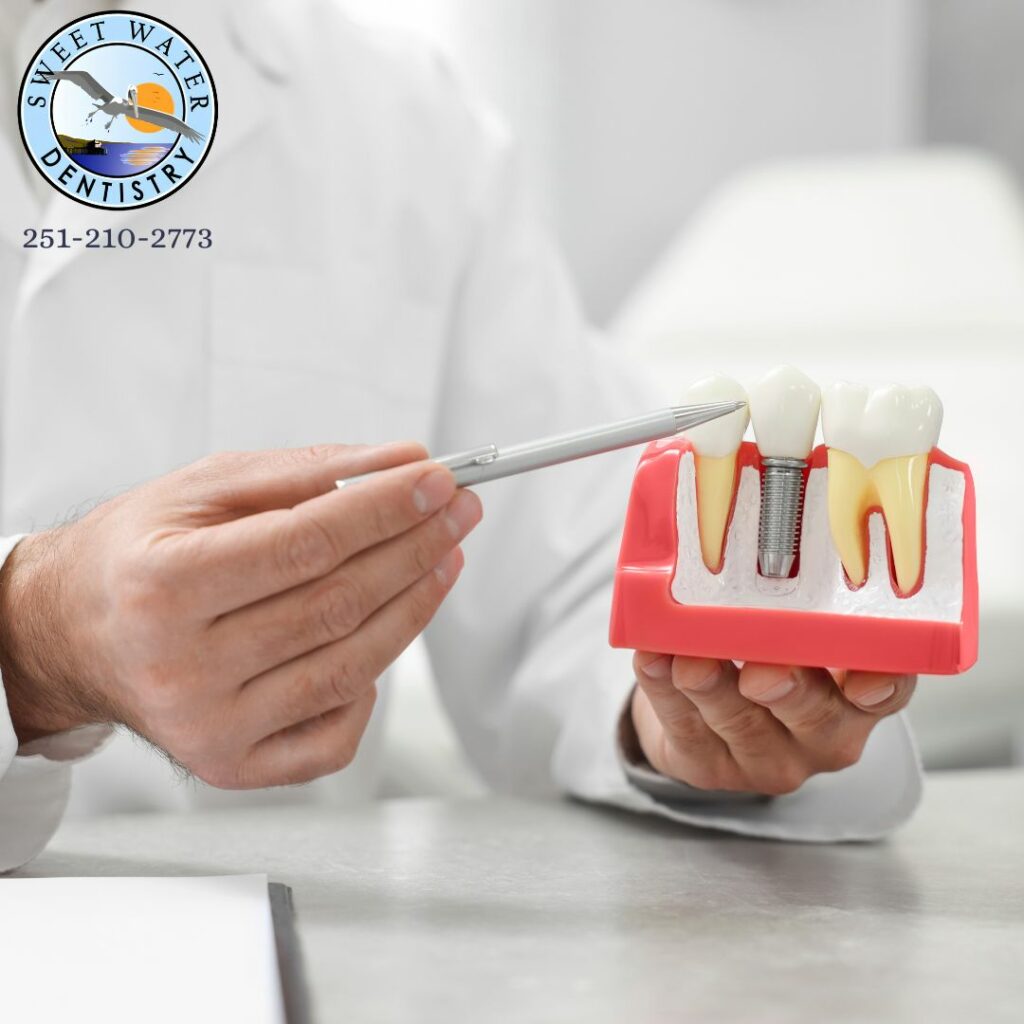
A dental bridge is a fixed dental restoration used to replace one or more missing teeth. It consists of artificial teeth (called pontics) that are held in place by neighboring natural teeth or dental implants.
A typical dental bridge includes:
One or more artificial teeth (pontics)
Supporting crowns on adjacent teeth (abutments)
Once placed, the bridge is permanently secured and functions just like your natural teeth.
Why Replacing Missing Teeth Is Important
Many patients delay replacing missing teeth, especially if the gap isn’t visible. However, even a single missing tooth can lead to serious issues over time.
Problems caused by missing teeth:
Shifting of surrounding teeth
Bite misalignment
Difficulty chewing
Jawbone deterioration
Changes in facial structure
Increased risk of gum disease
Replacing missing teeth with a dental bridge helps prevent these complications while restoring your smile.
Types of Dental Bridges
There are several types of dental bridges available, and the best option depends on your specific needs.
Your dentist will help determine the best option for your situation.
Who Is a Good Candidate for a Dental Bridge?
You may be a good candidate if you:
Have one or more missing teeth
Have healthy adjacent teeth or implants
Maintain good oral hygiene
Want a fixed, non-removable solution
Why Choose Sweet Water Dentistry in Fairhope, AL?
Patients throughout Fairhope, Daphne, and Mobile choose Sweet Water Dentistry because we offer:
Personalized treatment plans
Natural-looking restorations
Advanced dental technology
Comfortable, patient-focused care
We’re committed to helping you restore your smile with solutions that are both functional and beautiful.
FAQ – Dental Bridges
What is a dental bridge used for?
A dental bridge is used to replace one or more missing teeth by filling the gap with artificial teeth.
Are dental bridges permanent?
Yes, they are fixed in place and not removable like dentures.
How long does it take to get a dental bridge?
Typically 2 visits over a few weeks.
Do dental bridges look natural?
Yes, modern bridges are designed to match your natural teeth.
Is getting a dental bridge painful?
No, the procedure is done under local anesthesia and is generally comfortable.
Can a dental bridge fall out?
It’s rare, but possible if the cement fails or the supporting teeth weaken.
Restore Your Smile with Confidence
Dental bridges are a proven, effective solution for replacing missing teeth and restoring your smile. If you’re ready to regain function, improve your appearance, and protect your long-term oral health, a dental bridge may be the perfect option.
At Sweet Water Dentistry in Fairhope, AL, we’re here to guide you every step of the way.
Missing teeth can affect much more than your smile. They can make it harder to chew, change the way your remaining teeth fit together, and make you feel less confident when you smile or speak. Fortunately,…
Every Dental Patient Has Questions They've Never Gotten Around to Asking If you've ever sat in a dental chair wondering whether you're doing something wrong…
Do you wake up with a sore jaw, a dull headache, or teeth that feel strangely sensitive? You might be grinding your teeth, and you may not even know it. Teeth grinding, clinically known as…