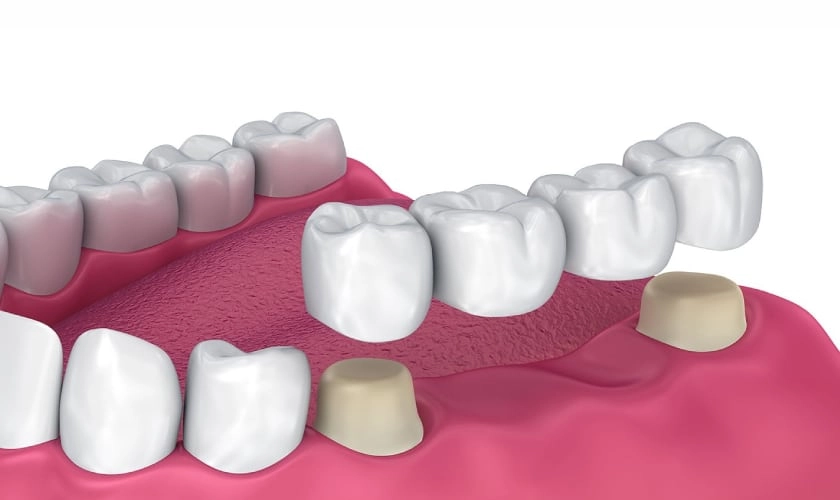
If your dentist has recommended a dental bridge, one of your first questions is likely: “Will it hurt?” This is completely normal. Many patients feel some level of anxiety about dental procedures, especially when they don’t know what to expect.
The good news is that modern dentistry has made dental bridge procedures comfortable, predictable, and far less intimidating than most people imagine.
At Sweet Water Dentistry in Fairhope, AL, patient comfort is always a top priority. Whether you’re replacing one tooth or several, the dental bridge process is designed to be as smooth and pain-free as possible.
In this guide, we’ll walk you through exactly what to expect—before, during, and after your dental bridge procedure—so you can feel confident and prepared.
Do Dental Bridges Hurt During the Procedure?
The short answer is: No, the procedure itself should not be painful.
Before any work begins, your dentist will numb the area with a local anesthetic. This ensures that you won’t feel pain during the procedure.
What you may feel instead:
- Mild pressure
- Vibrations from dental tools
- Slight movement
Most patients are surprised by how comfortable the process is.
Step-by-Step: Comfort During the Dental Bridge Procedure
Understanding each step can help reduce anxiety and give you peace of mind.
Step 1: Numbing the Area
A local anesthetic is applied to the treatment area. You may feel a quick pinch, but it fades quickly.
Step 2: Tooth Preparation
The teeth supporting the bridge are reshaped to fit crowns.
Because the area is numb, this step is typically painless.
Step 3: Impressions or Digital Scans
Your dentist takes impressions to create your custom bridge. This step is completely comfortable.
Step 4: Temporary Bridge Placement
A temporary bridge is placed to protect your teeth while your permanent bridge is being made.
Does It Hurt After Getting a Dental Bridge?
After the procedure, it’s normal to experience mild discomfort as your mouth adjusts.
Common post-procedure symptoms:
- Slight gum soreness
- Mild sensitivity to hot or cold
- Minor discomfort when chewing
These symptoms are temporary and usually resolve within a few days.
How Long Does Discomfort Last?
For most patients:
- 1 to 3 days of mild soreness
- Full adjustment within 1–2 weeks
How to Manage Discomfort After a Dental Bridge
1. Take Over-the-Counter Pain Relief
Medications like ibuprofen can help reduce soreness.
2. Stick to Soft Foods
For the first day or two, choose foods like:
- Yogurt
- Soup
- Eggs
- Mashed potatoes
3. Avoid Extreme Temperatures
Hot and cold foods may trigger temporary sensitivity.
4. Follow Oral Hygiene Instructions
Keeping the area clean helps reduce irritation and speeds healing.
What About Sensitivity with a Dental Bridge?
Sensitivity is common but temporary.
You may notice sensitivity to:
- Cold drinks
- Pressure when biting
This usually fades as your mouth adjusts to the new restoration.
When Pain Is NOT Normal
While mild discomfort is expected, certain symptoms should be evaluated.
Contact your dentist if you experience:
- Severe or worsening pain
- Sharp pain when biting
- Persistent discomfort after a week
- A loose or shifting bridge
These may indicate bite issues or underlying problems that need adjustment.
Is Getting a Dental Bridge Worse Than a Filling?
Not sure if this is right for you?
A short consultation is the fastest way to find out. Same day/week appts are usually available.
Request an Appointment
Most patients report that:
- It’s similar to or easier than a filling
This is because:
- The area is fully numbed
- The procedure is controlled and precise
Tips to Reduce Anxiety Before Your Appointment
1. Ask Questions
Understanding the process reduces fear.
2. Schedule a Morning Appointment
Getting it done early can reduce stress.
3. Practice Relaxation Techniques
Deep breathing can help calm nerves.
4. Talk to Your Dentist About Concerns
Your dental team can adjust your experience for comfort.
Why Modern Dentistry Is More Comfortable Than Ever
Advancements in dental technology mean:
- Faster procedures
- More precise techniques
- Reduced discomfort
Patients today experience far less pain than in the past.
Why Patients in Fairhope Choose Sweet Water Dentistry
Patients in Fairhope, Daphne, and Mobile trust us because we provide:
- Gentle, patient-focused care
- Comfortable environment
- Advanced technology
- Personalized treatment plans
We prioritize your comfort from start to finish.
FAQ – Do Dental Bridges Hurt?
Does getting a dental bridge hurt?
No, the procedure is done under local anesthesia and is generally painless.
How long does soreness last after a dental bridge?
Most discomfort lasts 1–3 days and improves quickly.
Is sensitivity normal after a dental bridge?
Yes, mild sensitivity is common but temporary.
What can I do to reduce discomfort?
Use over-the-counter pain relief, eat soft foods, and follow aftercare instructions.
Should I be worried about pain after the procedure?
Not usually—persistent or severe pain should be evaluated by your dentist.
Comfortable, Stress-Free Care Is Possible
Getting a dental bridge doesn’t have to be stressful or painful. With modern techniques and a gentle approach, most patients find the experience much easier than expected.
At Sweet Water Dentistry in Fairhope, AL, we’re committed to making your visit as comfortable and stress-free as possible—so you can restore your smile with confidence.