Types of Dental Bridges in Fairhope, AL: Which Dental Bridge Is Right for You?
Explore the types of dental bridges in Fairhope, AL. Learn the differences between traditional, cantilever, Maryland, and implant-supported bridges.
By swdentistrymarketing ·
If you’re considering a dental bridge to replace missing teeth, one of the first questions you’ll likely have is: “Which type of dental bridge is best for me?” The answer depends on several factors, including the number of missing teeth, the condition of your surrounding teeth, your budget, and your long-term goals.
At Sweet Water Dentistry in Fairhope, AL, we offer multiple types of dental bridges, each designed to meet different needs. Understanding the differences between them will help you make an informed decision and feel confident about your treatment plan.
This guide breaks down the most common types of dental bridges, their benefits, and when each option is recommended.
What Is a Dental Bridge? (Quick Recap)
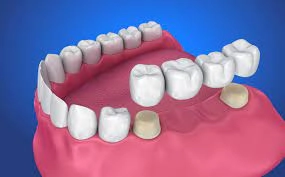
A dental bridge is a fixed restoration used to replace one or more missing teeth. It “bridges” the gap by anchoring artificial teeth to adjacent teeth or implants.
Each type of bridge is designed to restore:
Function (chewing and speaking)
Appearance (natural-looking smile)
Stability (prevent shifting teeth)
The 4 Main Types of Dental Bridges
There are four primary types of dental bridges used in modern dentistry. Each has its own advantages and ideal use cases.
1. Traditional Dental Bridge
The traditional dental bridge is the most commonly used and widely recognized type.
How it works:
The teeth on either side of the gap are reshaped
Dental crowns are placed on those teeth
The artificial tooth (pontic) is anchored between them
Best for:
Patients with strong, healthy teeth on both sides of the gap
Replacing one or two missing teeth
Advantages:
Strong and durable
Natural appearance
Proven, reliable solution
Cost-effective compared to implants
Considerations:
Requires altering healthy adjacent teeth
May not be ideal if surrounding teeth are weak
2. Cantilever Dental Bridge
A cantilever bridge is similar to a traditional bridge but is supported by only one adjacent tooth instead of two.
How it works:
The bridge is anchored to a single supporting tooth
The artificial tooth extends from that anchor
Best for:
Areas with less biting force (such as front teeth)
Situations where only one natural tooth is available
Advantages:
Requires fewer supporting teeth
Less invasive than traditional bridges
Considerations:
Less stable than traditional bridges
Not ideal for back teeth due to chewing pressure
3. Maryland Dental Bridge (Resin-Bonded Bridge)
The Maryland bridge is a more conservative option that preserves more of your natural tooth structure.
How it works:
A metal or porcelain framework is bonded to the back of adjacent teeth
The artificial tooth is held in place without crowns
Best for:
Front teeth replacement
Patients who want a minimally invasive option
Advantages:
Preserves natural teeth
Less preparation required
Lower cost in some cases
Considerations:
Not as strong as traditional bridges
May become loose over time
Limited to specific cases
4. Implant-Supported Dental Bridge
This is the most advanced and durable type of dental bridge.
How it works:
Dental implants are placed in the jawbone
The bridge is attached to the implants instead of natural teeth
Best for:
Multiple missing teeth
Patients seeking long-term durability
Patients with sufficient bone structure
Advantages:
Extremely stable and secure
Does not rely on adjacent teeth
Helps preserve jawbone health
Long-lasting solution
Considerations:
Higher upfront cost
Requires surgical placement
Longer treatment timeline
Comparison of Dental Bridge Types
Type
Support
Durability
Invasiveness
Best For
Traditional
Two teeth
High
Moderate
Most cases
Cantilever
One tooth
Moderate
Low
Front teeth
Maryland
Bonded
Moderate
Low
Cosmetic cases
Implant
Implants
Very High
Higher
Long-term solution
Which Dental Bridge Is Best for You?
Choosing the right bridge depends on several factors:
1. Location of Missing Teeth
Front teeth → Maryland or cantilever
Back teeth → Traditional or implant-supported
2. Condition of Adjacent Teeth
Healthy teeth → Traditional bridge
Weak or missing support → Implant bridge
3. Budget and Timeline
Faster, lower cost → Traditional bridge
Long-term investment → Implant bridge
4. Long-Term Goals
Short-term solution → Maryland or traditional
Permanent solution → Implant-supported
Why Personalized Treatment Matters
No two smiles are the same. That’s why at Sweet Water Dentistry, we create customized treatment plans based on your:
Oral health
Cosmetic goals
Budget
Lifestyle
Our goal is to provide a solution that not only looks great—but lasts.
How Long Do Different Bridges Last?
Traditional: 10–15 years
Maryland: 5–10 years
Implant-supported: 15–25+ years
Proper care plays a major role in longevity.
Caring for Your Dental Bridge
Regardless of the type you choose, maintenance is key.
Best practices:
Brush twice daily
Floss under the bridge using special tools
Avoid hard or sticky foods
Visit your dentist regularly
Cost of Different Dental Bridge Types in Fairhope, AL
Costs vary based on complexity and materials:
Traditional bridge: $2,000–$5,000
Maryland bridge: $1,500–$3,500
Implant-supported bridge: $5,000–$15,000+
FAQ – Types of Dental Bridges
What is the most common type of dental bridge?
The traditional dental bridge is the most commonly used option.
Which dental bridge lasts the longest?
Implant-supported bridges typically last the longest.
Are Maryland bridges permanent?
They are fixed but may not last as long as other types.
Which bridge looks most natural?
All modern bridges are designed to look natural, especially porcelain options.
Is an implant bridge better than a traditional bridge?
It depends—implant bridges are more durable but require surgery and higher cost.
Find the Right Bridge for Your Smile
Choosing the right dental bridge is an important decision that affects both your oral health and confidence. With the right guidance, you can find a solution that fits your needs and restores your smile beautifully.
At Sweet Water Dentistry in Fairhope, AL, we’re here to help you every step of the way.
Missing teeth can affect much more than your smile. They can make it harder to chew, change the way your remaining teeth fit together, and make you feel less confident when you smile or speak. Fortunately,…
Every Dental Patient Has Questions They've Never Gotten Around to Asking If you've ever sat in a dental chair wondering whether you're doing something wrong…
Do you wake up with a sore jaw, a dull headache, or teeth that feel strangely sensitive? You might be grinding your teeth, and you may not even know it. Teeth grinding, clinically known as…